7 Ways Digital Nomads Are Changing the World
Sep 09, 2026
Photo by Ben White
Since the dawn of the Internet Age, technological advancement and innovation have exponentially outpaced the rate of physical construction, infrastructure and the regulatory environment at large. As a result, many developing countries have leapt ahead of 1st world nations in sectors such as clean energy and telecommunications. And at lower costs.
To cite some examples, you can get a 1GB residential internet connection in Bulgaria for less than $15 per month, while half the speed in the US will cost you over 4x more. Countries such as Albania boast faster average 4G speeds than their western counterparts. Rural areas of China that never had electricity now have clean energy grids. Corners of the world that once struggled to accept credit cards now accept payments in Bitcoin.
We’re getting used to the evolutionary leaps that affect every corner of our lives. Cross-border travel has become faster, cheaper and more accessible than ever, making border restrictions seem cumbersome. One can conceivably lap the world 20 times over, all while waiting to get a visa application approved.
However, visible differences in infrastructure and transportation are only the tip of the iceberg when it comes to the widening gap between old and new.
Cultural and behavioral changes are where things really start to get interesting.
Never has the organization of our planet seemed more outdated than it does when looking through the lens of a digital nomad — someone who can live and work from anywhere with an internet connection.
Digital nomads aren’t waiting around for the world to catch up with their lifestyle, either. They’re walking the walk: being and living the change they want to see in the world, creating and manifesting as they go.
Here are seven ways they are accomplishing just that:
#1: Driving Regulatory Change on a Global Level
Nomads have a fundamental need to be able to bank, work and live anywhere legally. As the nomadic population multiplied, regulatory shortcomings in the global environment emerged.
Until recently, the only option to operate by-the-book has been to stay in one’s home country or acquire permanent residence or a work permit abroad, a costly legal procedure that can take years to achieve.
ENTER: resourceful digital nomads and a few influential government figures who were paying attention.
The outcome?
Programs like Estonian eResidency, the Estonian Digital Nomad Visa and Start-Up Visa Programs in countries such as Japan and the Netherlands. There is even buzz about a digital nomad-inspired “freelancer” program in the works, offering remote workers the opportunity to obtain tax residency in the UAE.
#2: Forming a Borderless Nation of People
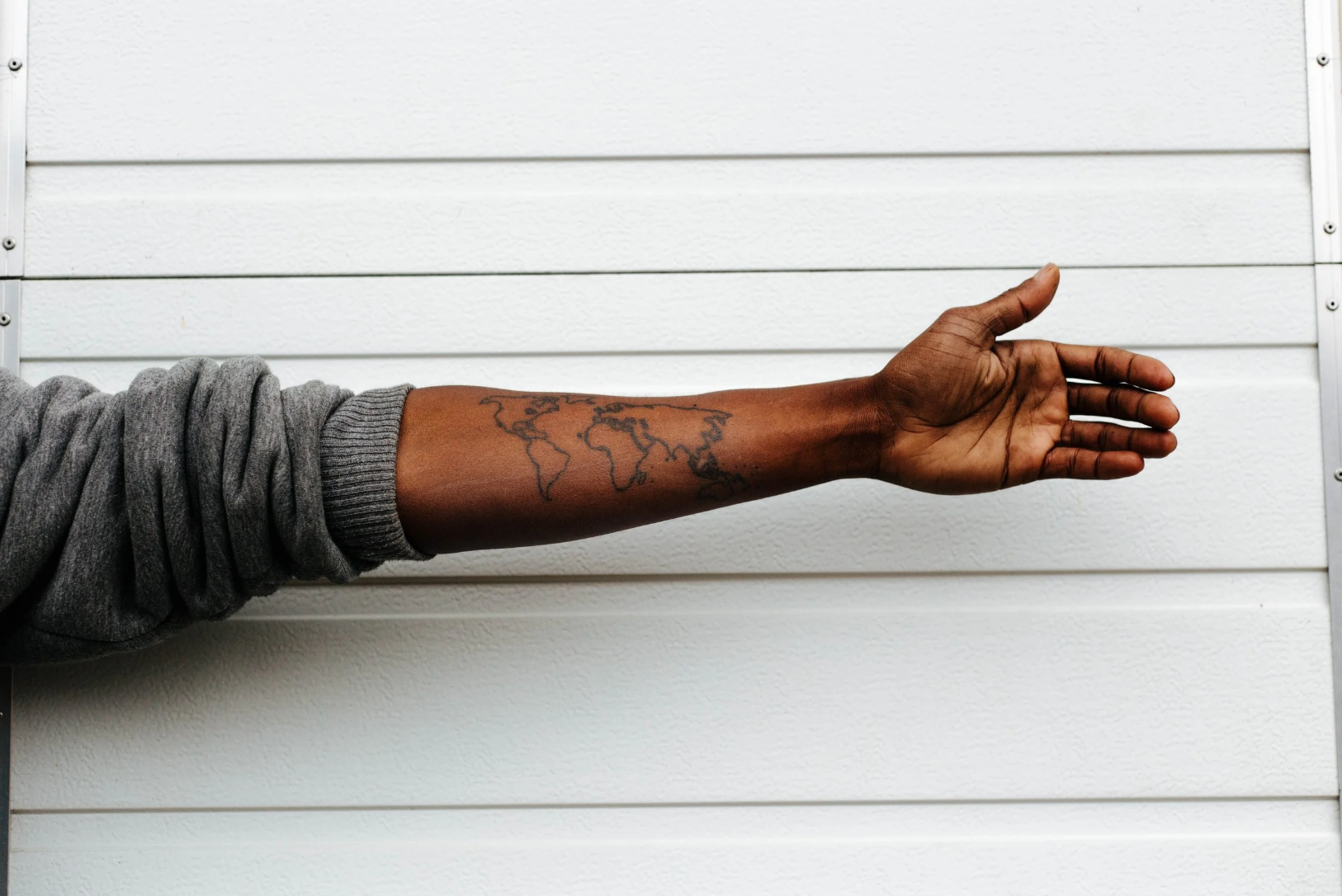
Digital nomads typically describe their existence as fitting in “everywhere and nowhere” at the same time.
Without a fixed location, many nomads begin to identify more with each other than with the particular nation-state listed on their passports.
This is a compelling realization.
It’s almost as if remote workers are embodying “the Internet” in a physical sense, by living their lives without borders.
This new, unofficial, virtual “nation” is growing at lightning speed, with estimates of up to 1 billion people being able to conceivably work remotely by 2035. This is assuming that 1 in 3 people will be working in a freelance capacity by then, according to one prominent digital nomad entrepreneur.
“After a centuries-long quest for permanent settlement, we have rather suddenly rediscovered our nomadic roots. Or rather, a digital nomadic dimension, rejecting permanent settlement and property ownership as a constitutive feature of the globalization era.”
— Morning Future
#3 Creating a New Decentralized Cloud Economy
By default, any new nation needs an economy. Since digital nomads haven’t found an option that could fit their needs, they created their own. This economy is integrated with the rest of the world’s, but technically, it doesn’t have to be. While the exact figure of a critical mass is yet-to-be-defined, digital nomads can conceivably survive by serving and offering products to each other.
Digital nomads are both producers and consumers. They are, arguably, each other’s most significant source of revenue.
This kind of economy has already been proven and validated. Examples of companies, products, services or entirely new industries created for/by, catering to and supported by the digital nomad community include:
- Travel Gear
- Coworking spaces and retreats
- Professional services: web design, programming
- Consulting & coaching on any topic
- Shipping and logistics companies
- Nutritional supplements
- Social networks & dating sites
- Online Marketplaces
- Much more
One company, DNX, even purports to have created the first decentralized digital nomad community, built on the Ethereum blockchain.
#4: Influencing Companies’ Structure and Operation Models
Akin to the nature of nomads themselves, it seems that the extent of digital nomad-induced disruption knows no bounds. It even influences the organization structures of multinational corporations.
Entire companies are now 100% fully distributed or remote from the time of their founding. Some companies have hundreds of employees around the world who have never met in real life. No big deal.
In addition, aspiring nomads are driving change from the ground up, lobbying their HR departments to allow remote work for positions that do not require a physical presence.
And it’s working: In the US alone, the number of employees who telecommute at least part-time has increased by 115% between 2005 and 2017, to nearly 4 million people.
There are ever-more compelling reasons for the business community to say “yes” to remote work.
First and foremost, companies save money by letting their employees work from home. A remote employee doesn’t consume office supplies, electricity or coffee, and might not even need traditional benefits like health insurance. Employers can save over $11,000 per year per remote employee. That’s a significant figure.
The benefits don’t stop there, as remote workers are known to produce greater output and report higher job satisfaction rates than their “cubicled” counterparts.
Companies that want to attract and retain the best talent have to offer some remote flexibility and autonomy from now on. Those that don’t, or drag their feet, will lose. Even if the majority of millennials don’t demand this extent of flexibility just yet, Generation Z will.
#5: Symbolizing the Change in Paradigm from the Industrial Age to the Technological Revolution
By living their best lives, digital nomads are bringing awareness of their lifestyle to the masses.
With the broad reach of social media and the sheer volume of inspiring content created by remote workers on a regular basis, digital nomads are changing the world just by being in it.
Digital nomads don’t need ANYTHING from the old system in order to thrive.
They don’t need:
- Resumes or CVs
- College degrees
- Employers
- A boss
- An office
- A corporate structure
- A brick & mortar storefront
- A paycheck
- Bank loans or credit lines
- Hefty start-up capital
- Investors
- Government handouts
- A traditional business network
- Networking events
All that’s needed to conceivably become a digital nomad is a valuable skill set, an internet connection and output.
Idea + Execution + Monetization